Progesterone for Women: The Feel-Good Hormone
Medically reviewed by the Harding Medical Institute clinical team
Progesterone
The Counter Balance To Estrogen
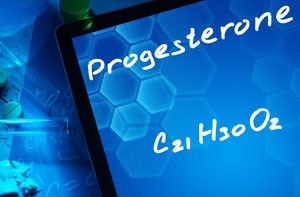
Progesterone is known as our calming, mood, sleep, libido and bone-enhancing hormone. Balance between Progesterone and Estrogen is the key to be healthy. During the reproductive years progesterone stimulates the endometrium of the uterus to grow and prepare for possible pregnancy. However, if pregnancy does not occur it is the decreasing levels of progesterone that cause normal menstruation.
Decreasing Amounts Of Progesterone:
Progesterone levels start dropping in your late 20’s, falling dramatically after age 30 and are almost nonexistent at the age of menopause, which can begin as early as age 35 in some women. Most women know how low levels of progesterone feel if they have ever experienced symptoms of anxiety, irritability, weight gain, PMS, mood swings or “frazzled women” right before their cycle.
The following are symptoms of decreased progesterone:
-
Anxiety
-
Carb/Sugar craving
-
Depression
-
Weight gain
-
Irritability
-
Mood swings
-
Insomnia
-
Pain and inflammation
-
Osteoporosis
-
Decreased HDL levels
-
Heavy bleeding
-
Poor Thyroid function
Causes of low Progesterone levels are:
-
Impaired production
-
Age
-
Low luteinizing hormone (LH)
-
Increased prolactin production
-
Stress
-
Antidepressants
-
Sugar
-
Saturated fat
-
Deficiency of vitamins A, B6, C, zinc
-
Decreased thyroid hormone
Too Much Progesterone:
High levels of progesterone, as well as relatively high levels of estrogen, can also cause symptoms. This combination can lead to the formation of so much excess tissue that there is an abnormally heavy flow during menstruation and spotting between periods. Severe progesterone deficiency can even stop the endometrial shedding process altogether, resulting in missed periods. Prolonged deficiency can lead to endometrial hyperplasia, a condition that can increase the risk of uterine cancer.
Elite Progesterone Level Testing:
The Harding Medical Institute specializes in women’s hormone health. Hormone balance and hormone replacement are essential to giving back your energy, vitality, and youthful sexuality. We thoroughly evaluate all of your hormone levels with the top endocrine diagnostic labs in the world to insure precise, advanced results. Each laboratory is selected based on rigorous credentials and excellence in their specific field.
Overcoming The Symptoms Of Progesterone Imbalance
Fortunately, progesterone imbalance can be treated. The goal of your treatment plan is to restore the balance of hormones in your body and help you feel good again. By restoring the balance between all of your hormones such as Estrogen, Progesterone, Testosterone and Thyroid in the body, symptoms may be alleviated. Some research suggests that supplementing progesterone in the form of bioidentical hormone replacement creams or pills may help women manage many of the symptoms they otherwise face because of hormonal imbalance. Even women who are still cycling may consider progesterone supplementation as part of an approach to support hormone balance and feel good again.
Take advantage of our complimentary consultation today.
This article is for educational purposes only and is not medical advice. Individual results vary. Talk with a qualified healthcare provider about your specific situation.
Free guide: Hormone Therapy for Women
The full breakdown — symptoms, pellets vs. creams, the complete lab panel, and honest pricing — in a printable PDF.
Your guide is ready ✓
It should open in a new tab — if it didn’t, use the button below.
Download the guide (PDF)Curious what your own labs would say?
Comprehensive panels, read line by line against the HMI Standard — with a provider who knows your name. Same-week appointments.
This article is for educational purposes and is not medical advice. Individual results vary — talk with a provider about your personal health picture.