Human Growth Hormone for Women: What to Know
Medically reviewed by the Harding Medical Institute clinical team
*The results described are not typical and will vary based on a variety of factors.
Human Growth Hormone –hGH
The Master Hormone
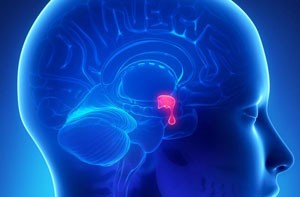
Growth Hormone is a natural hormone produced in the pituitary gland of the brain. Growth Hormone is considered “the master hormone” hormone because it controls so many functions. It’s responsible for youth, vitality, energy, and many of the health benefits we associate with optimal health.
The pituitary gland releases Human Growth Hormone in “pulses” through the day, with most of the Human Growth Hormone released during dream sleep at night. This is why women who have untreated sleep apnea commonly suffer from Adult Growth Hormone Deficiency, which can make their symptoms even worse. Once released into the bloodstream, Human Growth Hormone attaches to most tissues, including bones and muscle.
Maintaining Physical And Psychological Fitness:
Human Growth Hormone is the repair, replenish, and build hormone of the body. In men Human Growth Hormone helps maintain bone strength and may help reduce bone loss, called osteoporosis. Human Growth Hormone also increases muscle mass and decreases fat tissue. This hormone also allows for normal repair and maintenance of the muscles. In addition, Human Growth Hormone has an active role in maintaining psychological and cognitive functions in normal adults.
Effects Associated With Human Growth Hormone:
-
A decrease in body fat
-
An increase in muscle mass
-
Thickening of the skin with decreased wrinkling
-
Improvement in the cholesterol profile
-
An increase in bone density
-
Enhanced feeling of well being
-
A decrease in the waist to hip ratio (meaning fat is removed primarily from around the waist where it is associated with high risk of coronary disease)
-
Improvement in exercise capacity
-
Enhanced immune function
-
Decrease in the frequency of illness
Women Make More Growth Hormone Than Men
While men are generally considered physically stronger and have higher testosterone levels it would seem that men also make more growth hormone. However, numerous studies have found that mean concentrations of growth hormone are anywhere from six-fold to 120-fold higher in premenopausal women than men. Estrogen has been shown to be the main reason women generally make more growth hormone than men. Comparing growth hormone levels in premenopausal women to men of the same age have found that women have higher mean growth hormone levels and higher GH secretory burst amplitudes. Some studies even dosed men with estrogen and found that their growth hormone did indeed increase with the added hormone. In addition, women’s mean GH levels increase even more when we are in the phases of our menstrual cycles where estrogen was highest.
Testing For Human Growth Hormone Imbalance:
The Harding Medical Institute prescribes human growth hormone –hGH- only if a comprehensive hormone evaluation reveals proven Adult Growth Hormone Deficiency. We focus on hormonal balance with careful monitoring to support each patient’s progress. Our evidence-based approach incorporates hormone modulation to help patients regain and maintain metabolic and endocrine functions at the upper end of the normal range – adjusted for the patients’ age. Thus, creating the best opportunity for healthier and more vigorous life.*
Call (407) 210-2101 now and take advantage of our complimentary consultation today.
This article is for educational purposes only and is not medical advice. Individual results vary. Talk with a qualified healthcare provider about your specific situation.
Free guide: Hormone Therapy for Women
The full breakdown — symptoms, pellets vs. creams, the complete lab panel, and honest pricing — in a printable PDF.
Your guide is ready ✓
It should open in a new tab — if it didn’t, use the button below.
Download the guide (PDF)Curious what your own labs would say?
Comprehensive panels, read line by line against the HMI Standard — with a provider who knows your name. Same-week appointments.
This article is for educational purposes and is not medical advice. Individual results vary — talk with a provider about your personal health picture.